
I’ll start this with a big spoiler for the Pixar movie Ratatouille. Specifically for the moment where the food critic takes a bite of a very famous dish, the Ratatouille, and as he starts his first bite he is instantly transported back to childhood. For a brief moment, he forgets where he is and remembers exactly why food means so much to him. That feeling of nostalgia, of being pulled back to a simpler time, this is the exact emotion I had the moment I started playing Dragon Quest VII Reimagined.
From the very first moments, the game brought me right back to the reason I fell in love with Japanese role-playing games in the first place. The structure, the pacing, the characters, even the quiet moments wandering through towns, dungeons and the open world – it all felt incredibly familiar in the best possible way. It reminded me why the Dragon Quest series has been so influential for so long and such an important franchise in my gaming history.
These games have always had a timeless charm to them, something comforting and warm that many modern RPGs sometimes forget in their push for scale and spectacle. Playing this felt like returning to a childhood memory that had been sitting quietly in the back of my mind for years.
The best thing about the Dragon Quest series is that every entry stands on its own. You don’t need to have played any of the others to understand what is happening. It works in a very similar way to Final Fantasy, where each adventure tells its own story. That approach makes jumping into Dragon Quest VII very easy, even if you are completely new to the franchise; in fact, it’s probably the best one to do just that, just dive in head first.
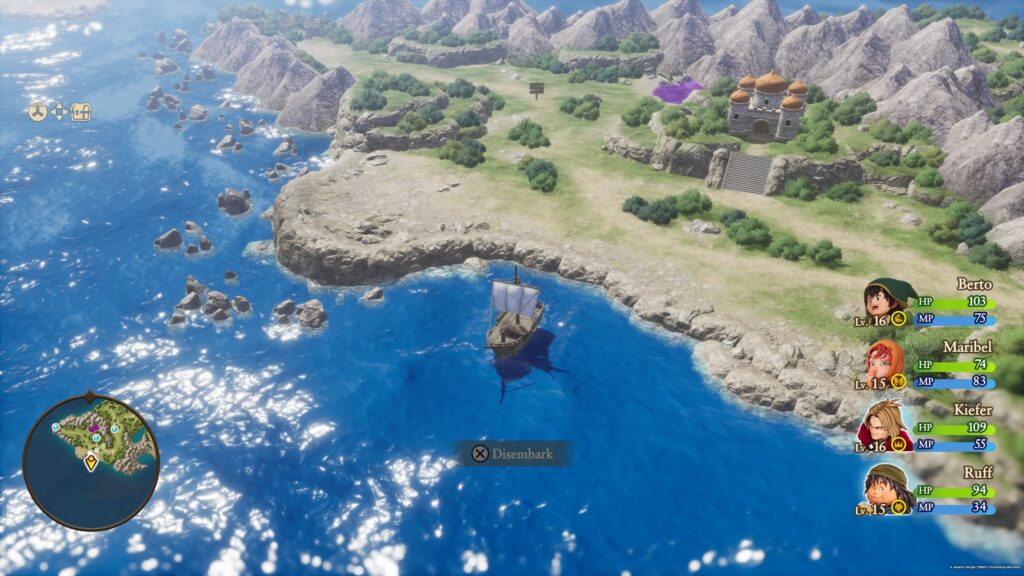
In Dragon Quest VII, you travel the world collecting fragments that slowly rebuild a map. Once a fragment is restored, you travel back in time to that island’s past, where a self-contained story unfolds. When the events of the past are resolved, usually in the same cycle of: visit town, solve problem, smash some battles, big boss battles and then the resolution of the story. Then the island returns to the present and becomes part of the world again. Wash, rinse, and repeat.
You start your journey with the concept that you are all alone on your little island with no reason to adventure out into the ocean, as it is all allegedly barren, that is, until you start to uncover a breadcrumb clue that slowly evolves into a huge adventure to restore the world. What begins as an empty ocean slowly fills with life, towns, cultures and histories.
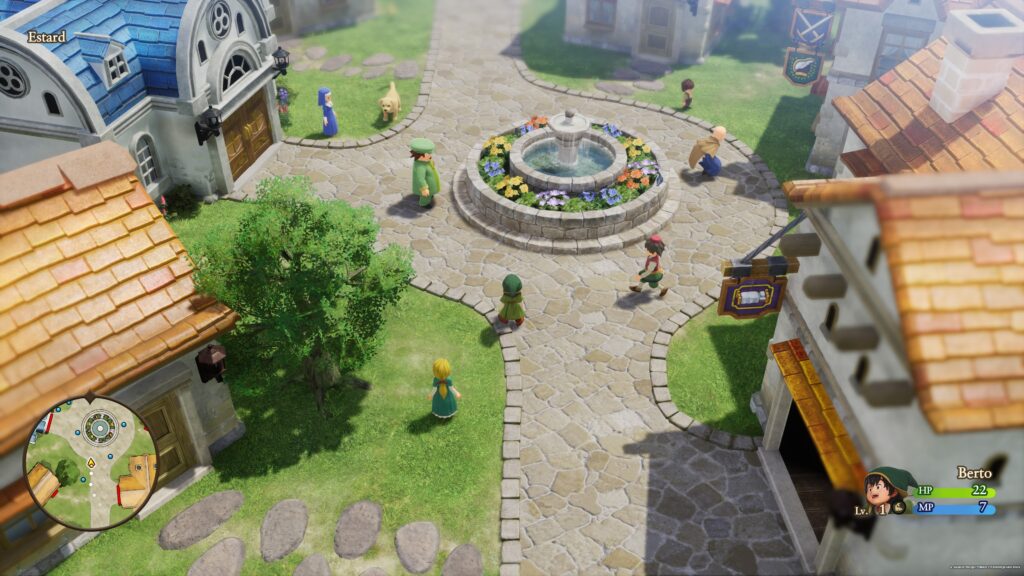
Each island is its own little story, and some of them are surprisingly emotional while others are lighthearted and strange, which is part of the charm. There are towns where everyone seems to speak with exaggerated Italian or Spanish accents, stories involving villagers transformed into animals, and weird encounters involving robots that really hit home on the theme of lost love. No, I’m not making it up, the pendulum of serious and goofy storytelling swings equally harsh on both directions. The best thing is that this variety is one of my favourite parts of DQ7, it keeps the experience fresh and even across such a massive adventure.
As the structure builds as a collection of short stories, ultimately the adventure slowly pushes you through towards a larger narrative. But until that bigger picture becomes apparent, the early game content can feel a little directionless because you are simply uncovering fragments and restoring islands without understanding the scope of your journey. Once the reveal hits, the narrative shifts up a gear in momentum propelling you towards unlocking the mystery.
Dragon Quest VII is notorious for its length. The original release on the PlayStation was infamous for running well over one hundred hours minimum. The DS versions attempted to streamline the experience and attempted to introduce some QOL elements to the game. But this reimagined version continues that trend, and it pushes the changes even harder to the player. It does make the game more approachable, though there is definitely a sense that some of the original scale has been softened in the process.
Which leads me to its biggest issue for me, which is its difficulty. Even when playing on a harder setting, the game rarely pushed back in any meaningful way. I did love that there are several options that allow you to tweak the experience, such as changing experience gain, gold, enemy strength or health, which is great because it allows us players to truly tailor the adventure to our unique preferences. However, as someone who likes a challenge, I cranked it up to the hardest setting, yet I still found the overall challenge quite easy.
Let’s consider the fact that I have nothing but decades of experience in playing JRPGs. I was rarely ever in danger during battles. This doesn’t make the game bad, but it does make it clear that this entry is designed to be accessible, possibly even aimed at younger players or those experiencing their first role-playing game. If that is the case, this is a great entry point for these types of players.
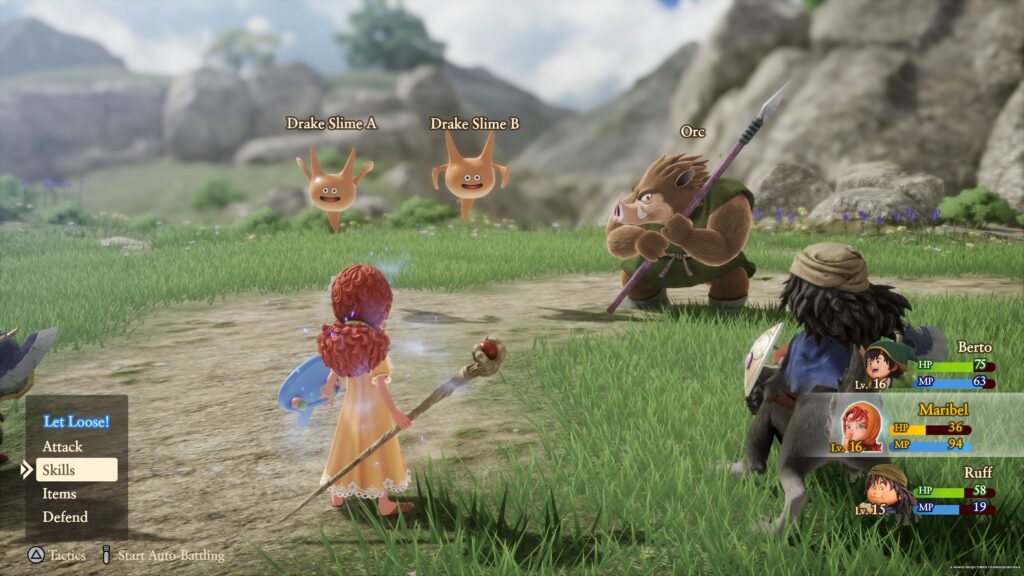
The combat itself is classic Dragon Quest. Battles are turn-based, and characters perform actions depending on the skills they learnt. It is such a traditional and simple system, but also incredibly polished. Roughly over a third of the way into the game, the vocation/job system unlocks, allowing you to change character classes and develop new abilities. This adds a layer of strategy as you experiment with different builds and combinations. It’s a simple yet effective system, even if the relatively low difficulty means you rarely need to push it to its limits.
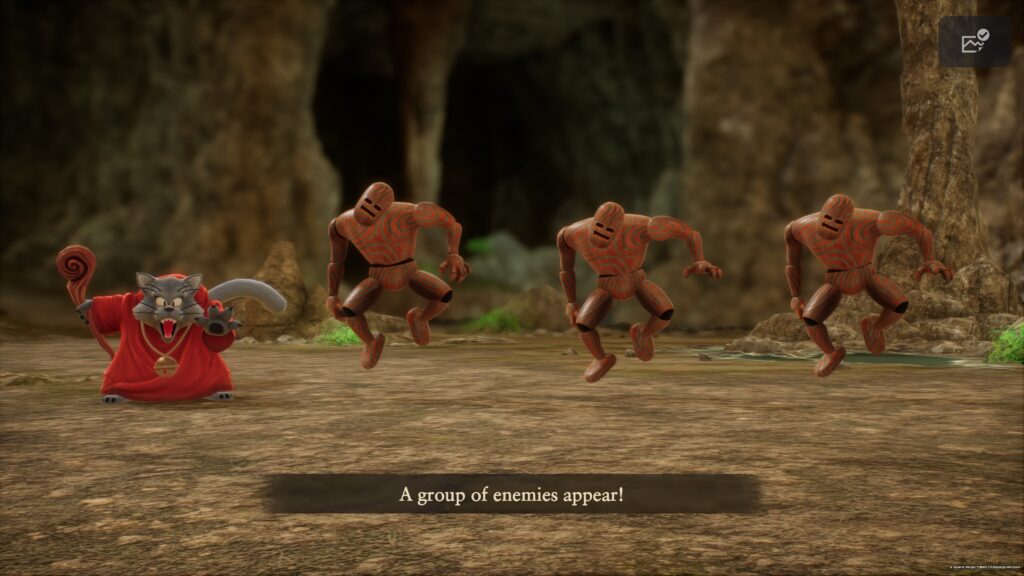
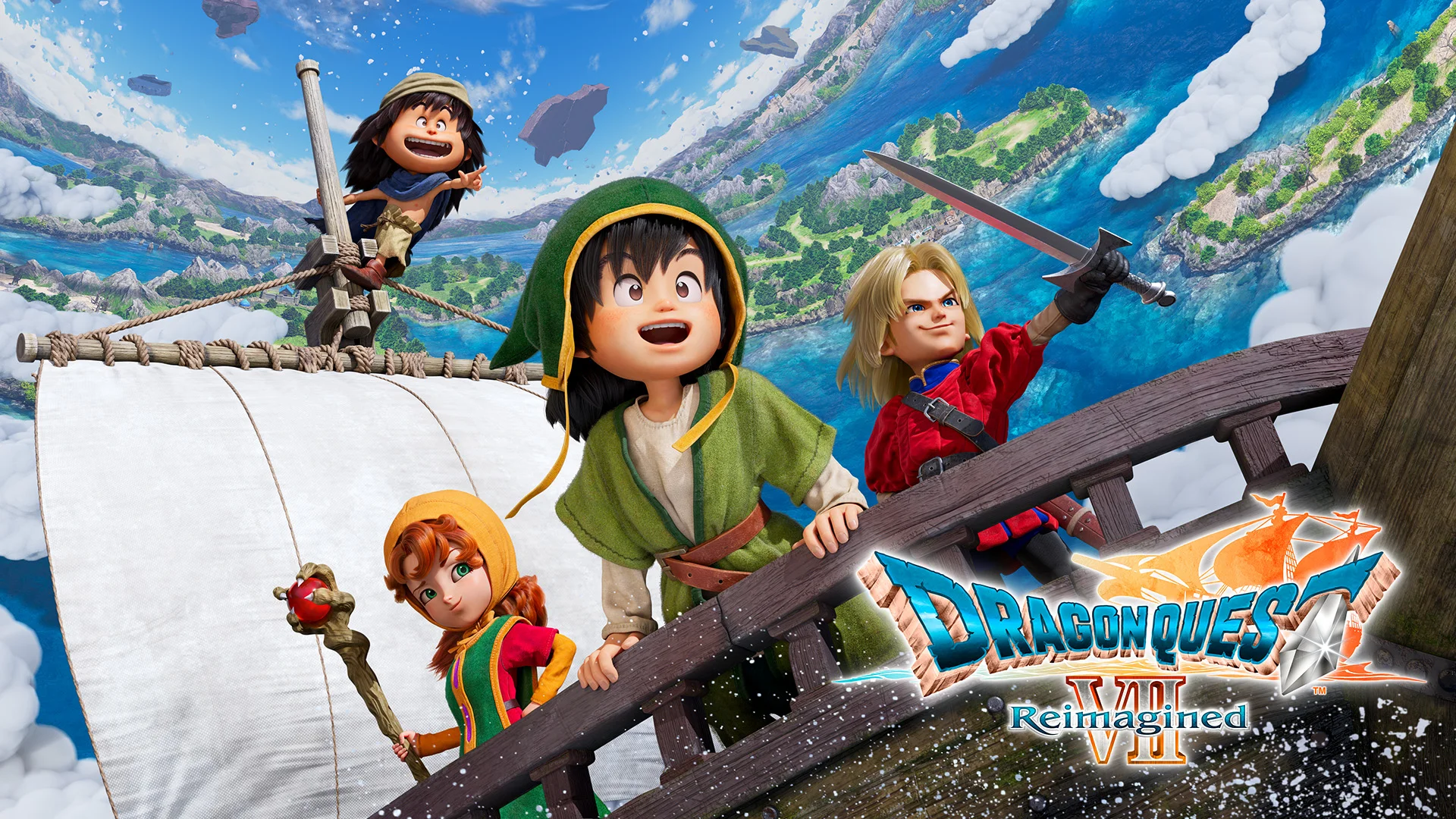
Visually, the game is gorgeous. It carries that unmistakable charm that has defined Dragon Quest for decades. The character designs from Akira Toriyama are instantly recognisable and full of personality. His style, famous from Dragon Ball, fits perfectly with the tone of the world. The characters have expressive faces and exaggerated features that give the game a playful energy. At times, it even reminded me a little of Final Fantasy IX with its big head proportions and whimsical atmosphere. The game also does this unique blur effect on the outer edges of the screen as you play the game, it gives off a little ethereal, dreamlike style that plays into the nostalgic trip.
Playing it also made me think about how well this world would translate to the HD 2D style used in the recent Dragon Quest remakes. That blend of pixel art and modern lighting has become one of the most beautiful styles in RPGs, and yet they went with this style instead, and to be honest, it suits it so well. I really love how there are two different styles of remakes that feel appropriate to the games.
Exploration captures that old school sense of adventure that many RPG fans grew up with. You move through a large overworld, discover towns and dungeons, and encounter enemies directly on the map rather than through random battles. You can strike enemies before combat begins to gain an advantage, which makes encounters feel more interactive. The world gradually opens up as you restore more islands and uncover new areas. There are some puzzles here and there, but they are so few and far between that it’s a nice addition, which makes exploration rewarding throughout the entire journey.
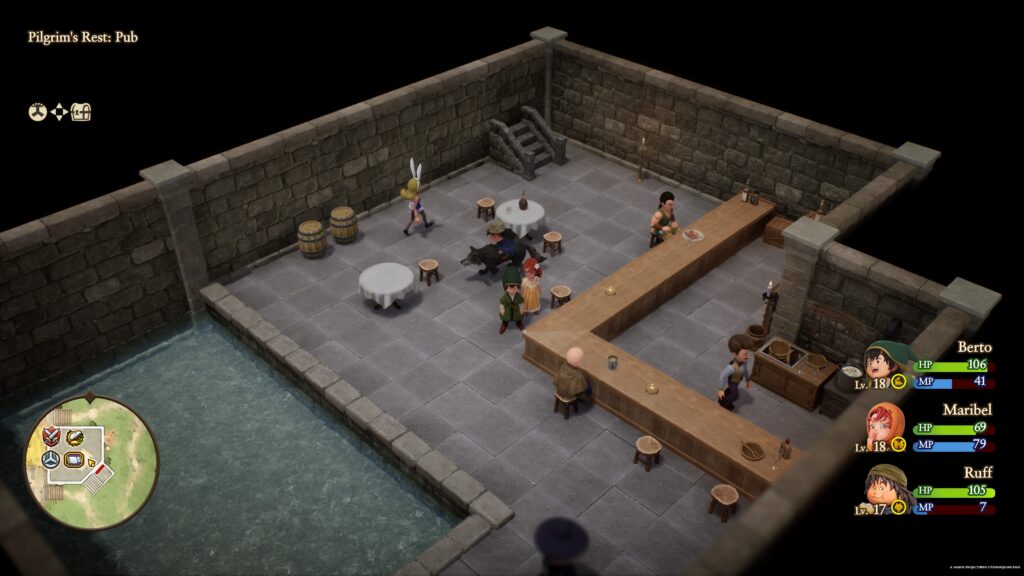
The music is fantastic and perfectly fits the tone of the series. Some tracks repeat often, which can become a little noticeable over such a long game, but I never truly grew tired of them. Battles are usually quick, which helps keep the rhythm of the adventure moving forward without too much downtime. Which is now a good time to mention that you can increase the speeds of the battles, but you also have the option of Auto-battle. Where the game chooses to do the battle on your behalf. I never used it, but I can see why some people might. In theory, you could play the whole game without making any inputs.
Another aspect I really appreciated is how well the structure works for shorter play sessions. As a father of two young toddlers, it’s hard to game for long hours. But since each island functions almost like its own unique story, you can easily complete one section in an evening and feel like you made some meaningful progress. It makes the game perfect for handheld play on my PlayStation Portal, and it would feel even more at home on something like Nintendo Switch 2, where you can chip away at the adventure little by little. The game runs smoothly at 60fps with no technical issues to report. The Nintendo Switch 2 version runs similarly, but the game is on a key card, not a physical cartridge. The Nintendo Switch version has its own version, which runs at 30fps and is a physical copy, although there is no update for this version to run better on the Switch 2.
Depending on how you approach it, this adventure can take anywhere from around forty hours to well over eighty if you take your time. Because the game is structured around individual islands that act like small chapters it is easy to play in shorter sessions and slowly work through the story at your own pace. This style really suited me for my circumstance, but may put off some players expecting it to get to the point sooner rather than later.
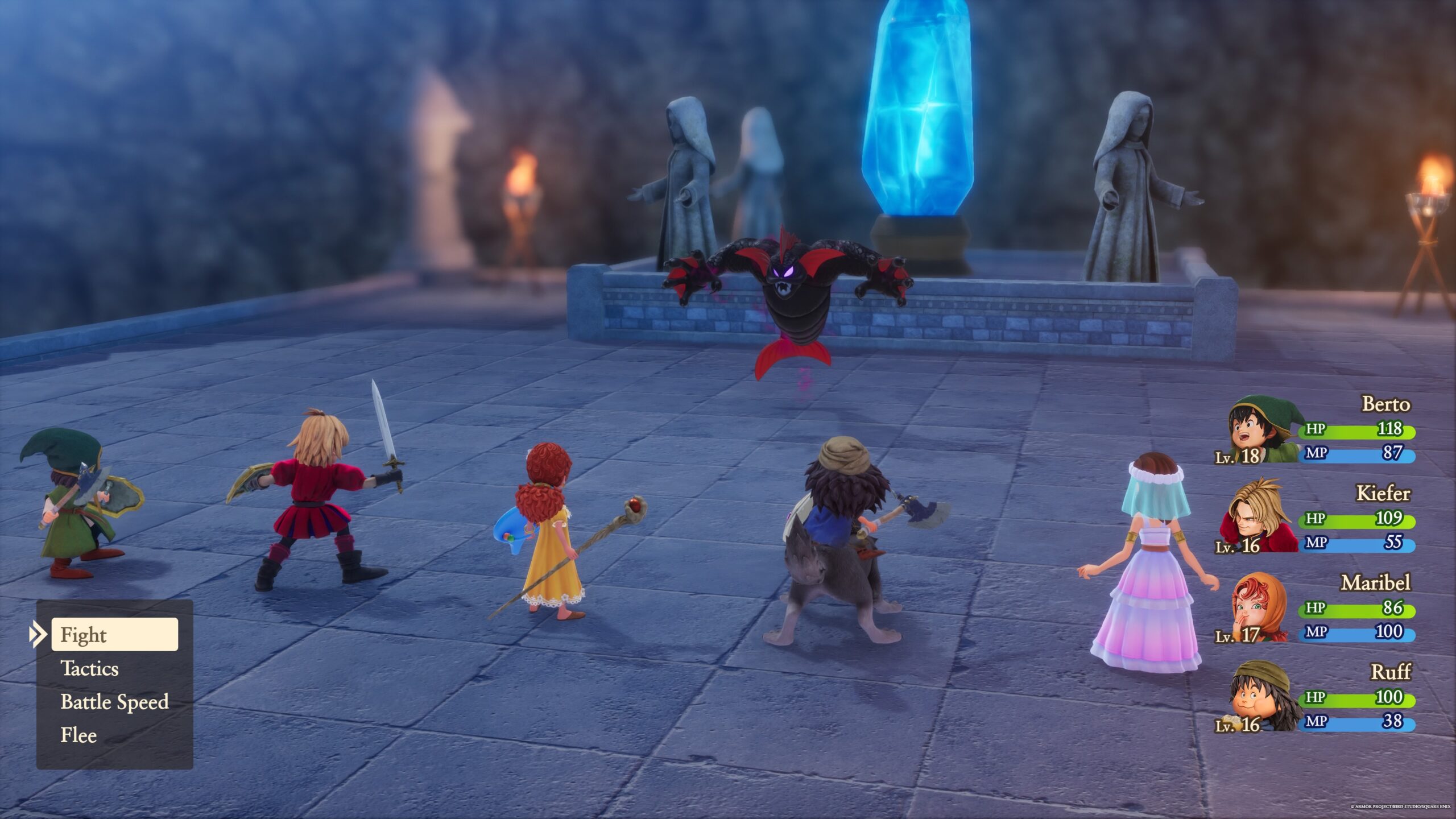
I do wish the difficulty had been pushed further. I wanted enemies that forced me to grind and experiment with my party setup, the kind of optional super bosses that test everything you have learned. Something in the spirit of the legendary challenges found in games like Final Fantasy VII. That extra layer of challenge would have elevated the experience even more. Despite that, I genuinely loved my time with Dragon Quest VII. It is warm, beautiful and deeply nostalgic. It may not reinvent the genre, but it celebrates everything that made these games special in the first place.
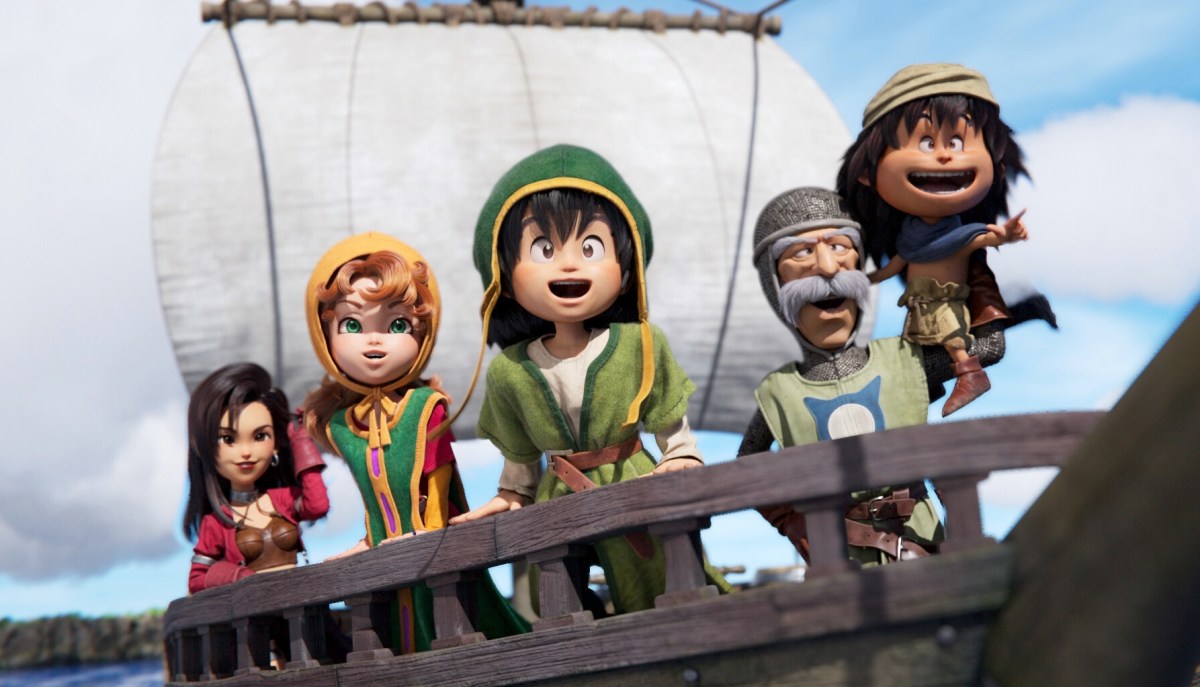
In the end, Dragon Quest VII feels like returning to a favourite childhood meal. It might not surprise you anymore, but the comfort and joy it brings is undeniable. For long-time fans of the genre, it is a reminder of where many of these traditions began, and for newcomers, it is an inviting doorway into the world of classic role-playing games.

