
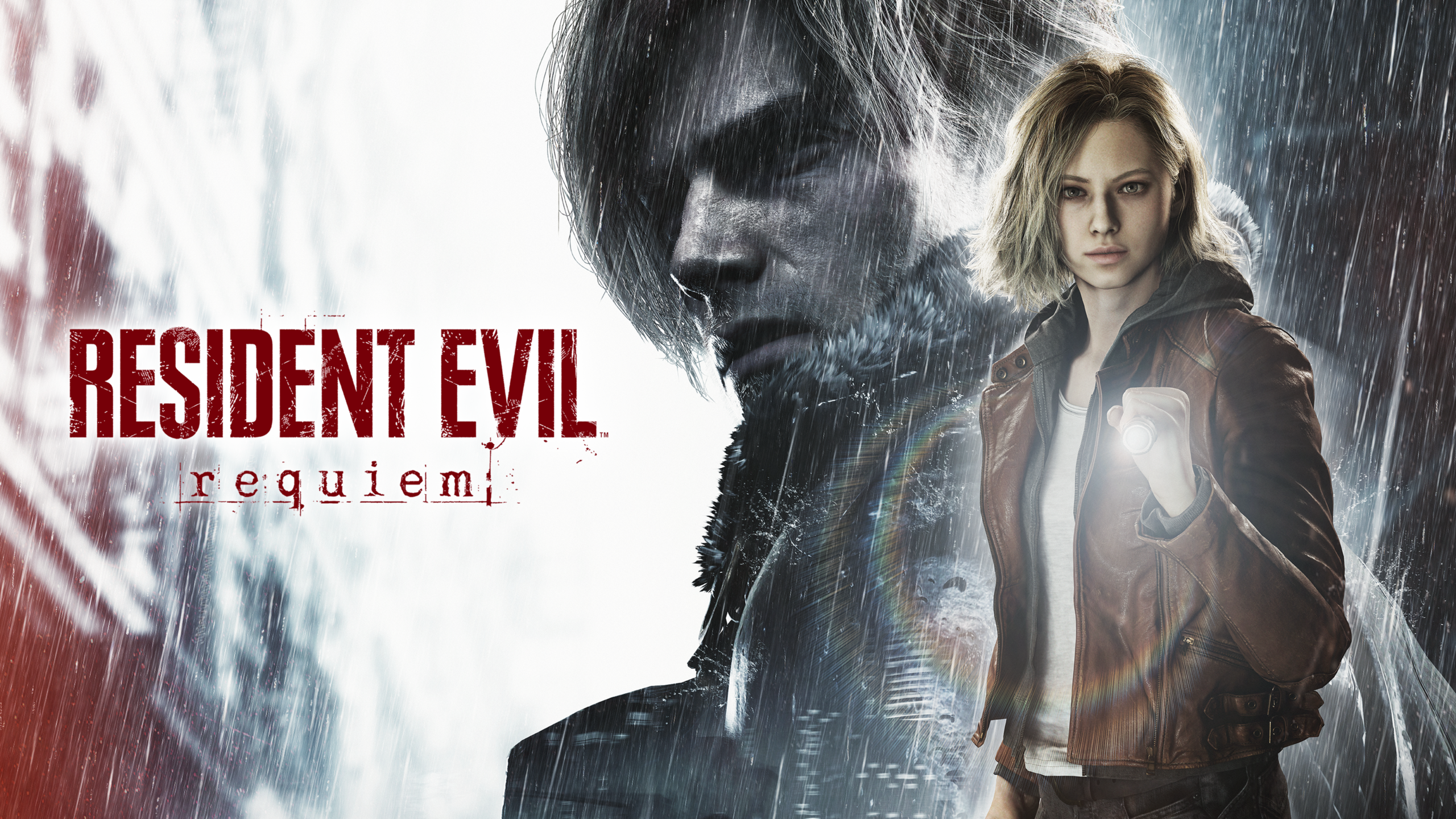
Resident Evil has always been known amongst fans of horror games as one of the most defining and prolific franchises in the horror genre. Having built an empire off the back of redefining the survival horror genre for the last 30 years, it has reigned as the most popular horror game franchise in history. With the positive reception following the release of the latest installment, Resident Evil Requiem, it is highly unlikely that Resident Evil will be giving up the throne any time soon. The game has become one of the most talked-about releases of 2026, and the hype surrounding it did not fade, with over 300,000 fans logging on to play the game on release day. I certainly was part of this, taking a sneaky day of leave to sit and return to where it all began – Raccoon City.
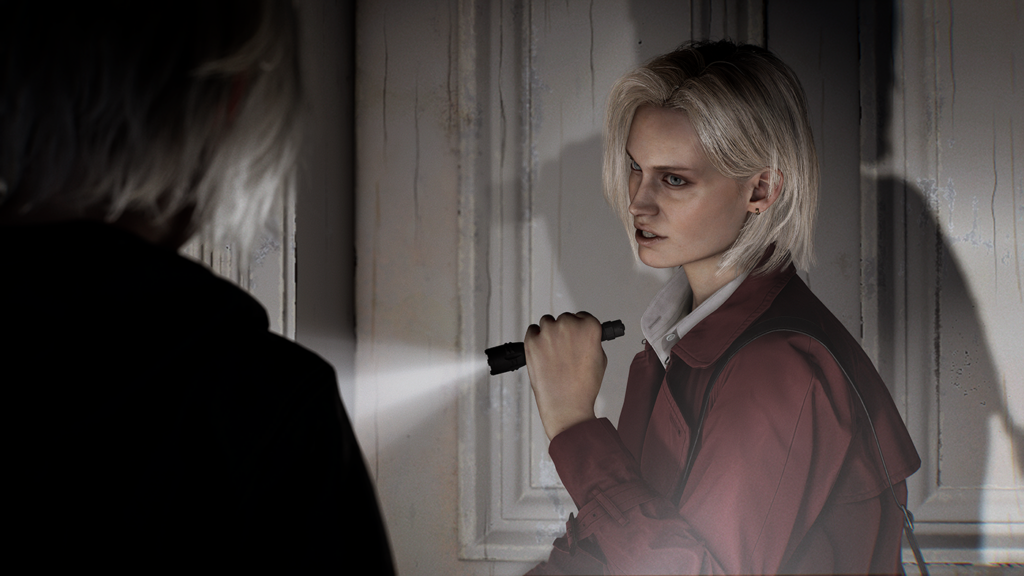
To set the scene, the story begins with you witnessing Grace being told to head to the Wrenwood Hotel, the place where Alyssa was killed while investigating a new story. The dilapidated and creepy hotel helps to set the tone for the rest of the game, with the same dark and unsettling feeling flowing into the Care Centre. The tone then shifts as you reach Raccoon City, matching the tonal shift you notice throughout the game as you switch perspectives of the two characters. The four landmark settings of the game all provide a unique experience, which was something refreshing to see within the game, given that often Resident Evil games tend to provide the same tone across multiple settings.
The introduction of Grace Ashcroft into the series is a refreshing change that adds a layer of complexity to the storytelling of the game, with her connection to Alyssa Ashcroft, who is a well-loved but niche character whose history played an important part in some of the deeper Resident Evil lore. For lore lovers like myself, it was exciting to see how Alyssa was woven into the story, despite how short it felt. I am secretly hoping that the DLC will feature a bit more of Alyssa and open the door wider on her investigations of Umbrella.
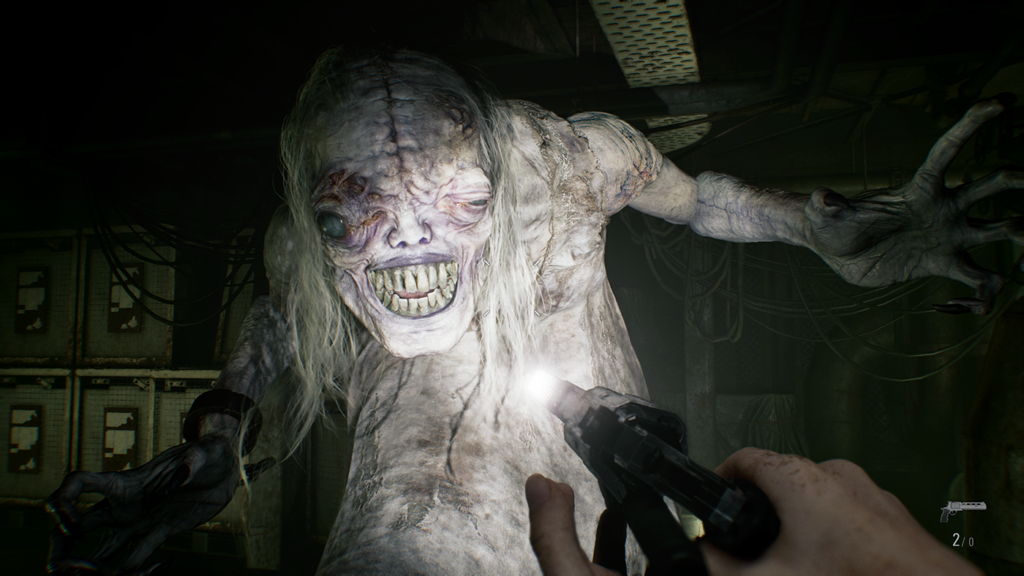
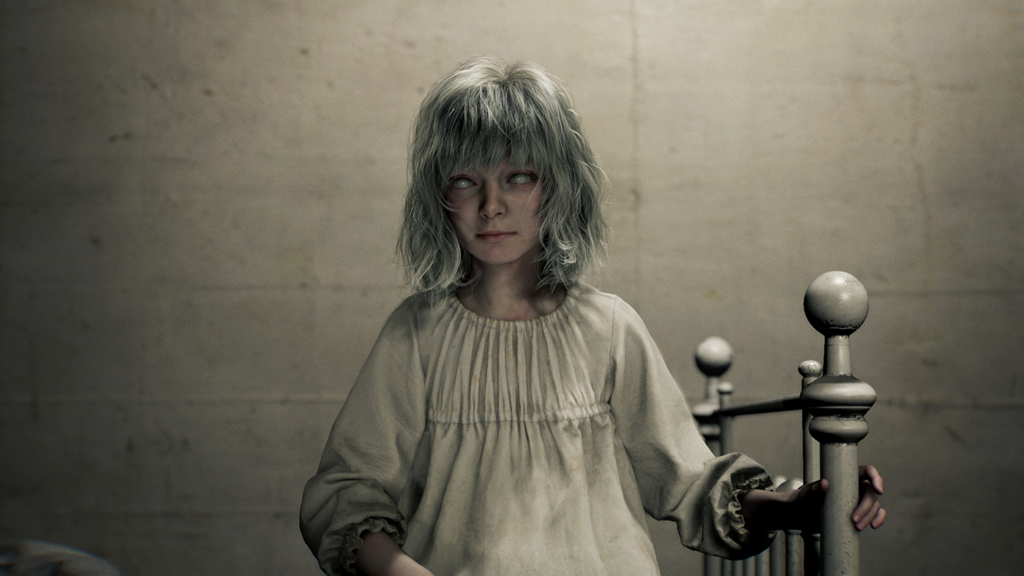
Speaking of Umbrella, it wouldn’t be a Resident Evil game without some iconic villains. Resident Evil Requiem provides us with three key villains, who each drive the story in different parts of the game. While Victor Gideon remains the lead antagonist, he is joined by a B.O.W. known as The Girl, and a tall, suited figure whose name you come to learn is Zeno. The Girl is similar in a sense to Nemesis and Mr. X, following you around in certain parts and relentlessly pursuing you. She is very much Grace’s big bad throughout the game. The fact that she thrives in darkness means she has become one of the most memorable and iconic parts of the game, as well as annoying for those of us who are attempting speed runs.
Zeno, who is introduced later and Leon’s main antagonist, is a lot like Wesker in some aspects. This is detrimental as he doesn’t really hold his own compared to the other two. Gideon, who is an antagonist for both Grace and Leon in different parts, is a bit of an enigma. While it is clear he is one of the Umbrella big bads, his motives are somewhat weak in comparison to other villains we have seen. His appearance is cool, and the boss fights are pretty epic, but I wouldn’t place him in my top five villains.
Now, when it comes to Grace herself, she definitely brought a breath of fresh air that assisted in heightening the horror experience of Resident Evil Requiem. From her jumping at the smallest of shadows, which is to be expected of a girl who prefers the desk to the field, to the incredible acting and motion capture that depicted her fear exceptionally well, all of the elements that make up Grace and her gameplay sections added a well-thought-out and defined contrast to the section where Leon was the main focus. Leon was the nostalgia hit we all wanted, and it’s Leon, so of course, fans were excited to see him back, but Grace was the reminder of the fear we all feel stepping into a Resident Evil game for the first time.
Some of the most enjoyable sections you play as Grace are downright terrifying and play on a lack of light in closed-off spaces to really hammer home the feeling of claustrophobia and vulnerability. Her lack of weaponry and combat ability, which does improve over time, forces you to play a more stealth-based play, which is not too dissimilar to Resident Evil VII: Biohazard and Resident Evil Village. This only further drives that feeling of being trapped and afraid. Her logical and quick thinking pulls through in interesting ways in some of the cutscenes, bringing to light her adaptability and survival skills despite a lack of field training. All of this care and thought into how she moves, plays, and interacts with the world around her shows a deep thought and understanding of how someone would act when thrust into a life-or-death horror show, and is something Resident Evil is so uniquely capable of doing.
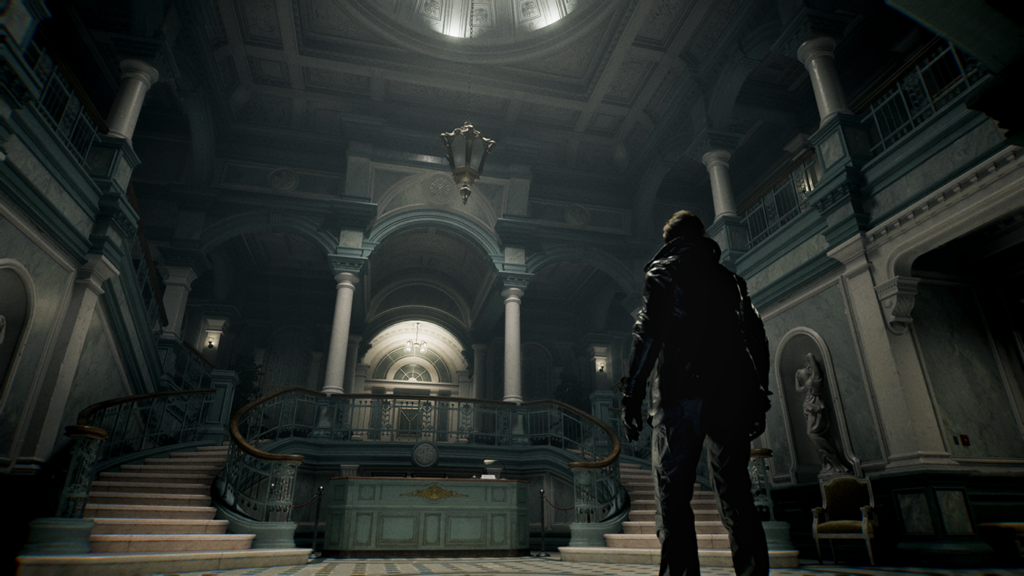
The merge between Grace’s first-person section and Leon’s third-person section is near flawless, and doesn’t derail the storyline or gameplay, which was something I was concerned about. The option to play Resident Evil Requiem in first-person or third-person perspective is also a nice addition, especially for those who have a preference on how they play games. Starting in Grace’s point of view, and subsequently most of the first half of the game being played from her side of the story, meant that the game leaned heavily into the survival horror aspect from the get-go. It then allowed for a nice balance to creep in when it switched to Leon, giving a small reprieve to the heart-racing and gut-wrenching horror.
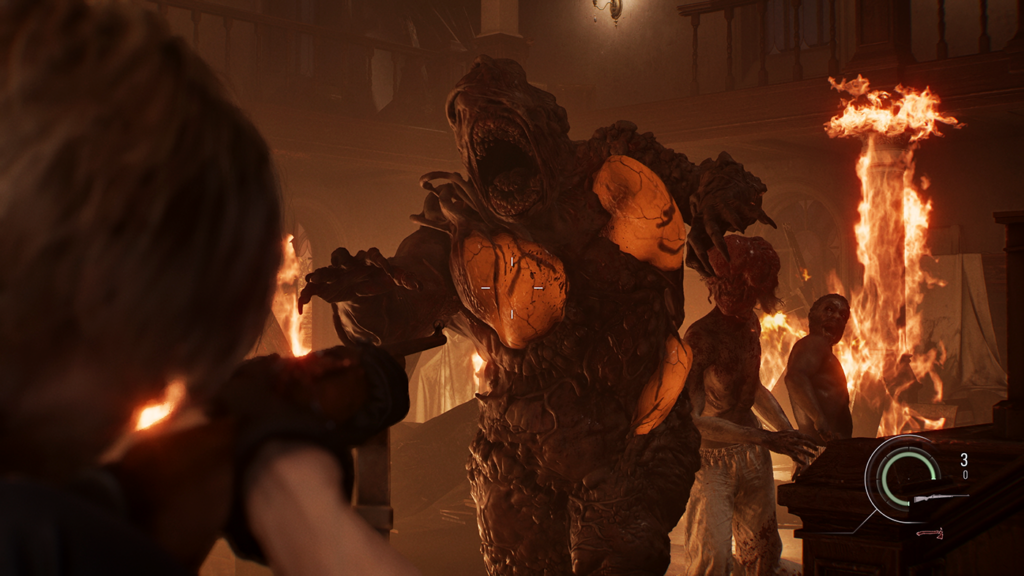
As someone who has been a fan of the franchise for many years, with Resident Evil as my introduction to horror, getting to go back to where it all began was a real nostalgia hit that added to the enjoyment of this game. Getting to play as Leon again for the first time in a long time, not including the remakes, as they were not ‘new’ content, was something that really brought me joy despite the terrors I had been facing in the game. The decision to make Leon’s sections more action-horror was an interesting but necessary choice, given that it would be unlikely that he would scare as easily as the average person. From the witty one-liners, which now just feel like poorly timed but hilarious dad jokes, to the incredible finishing moves and animations, the team definitely put in the work to give the fans an enjoyable playrun as Leon. I was only disappointed by the lack of vehicles he managed to crash, breaking his well-known streak of crashing everything he ever touches (it’s one of his best qualities in my opinion).
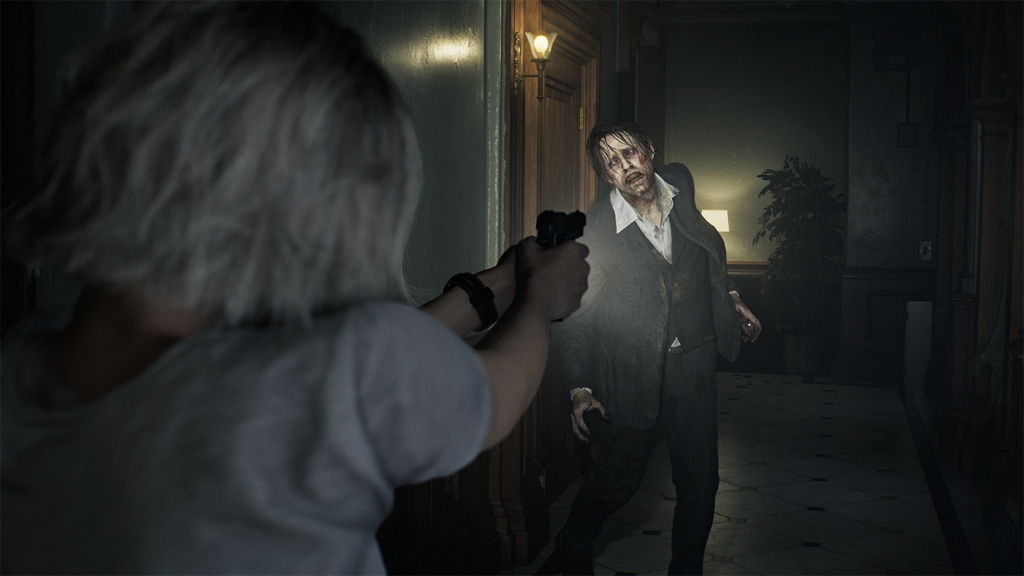
The difference in genre wasn’t the only contrasting element between Grace and Leon’s sections. During the Care Center, when playing as Grace, as it is predominantly focused on her point of view, the enemies you face are not your usual run-of-the-mill zombies. There are unique variations, such as ones that react to sound or light, with many of them able to speak. While the speech is limited and not overly comprehensive, it does add a human element, which reminds you that they aren’t mindless monsters, but were also once people. The seemingly dust-ridden zombies in Raccoon City were interesting in design and how they spawned, but were much like most other zombies we have seen before.
When it came to diving into the nostalgia of a return to Raccoon City, no stone was left unturned. From the steps taken in Resident Evil 2 (remake), from the blown-up police car to the station felt almost identical, with a layer of dust that made it feel as if everything had simply stopped and time had paused. The entry to the police station also held that same feeling of nostalgia, and brought with it a level of emotional pain we so rarely see fully expressed in survival horror games. While heartbreaking at times, it felt special to be returning to where it all began as Leon and seeing the emotions he processed and memories he faced, reminding us all of what has shaped one of the most beloved characters in the series.
Resident Evil Requiem is one of the strongest games the franchise has delivered. It is my personal second favourite, behind Resident Evil 4, and I feel it ties in some modern elements while still holding true to the essence of the franchise. While some may not enjoy the switching points of view, or would have preferred it lean more into the horror genre that Resident Evil VII did, I believe it is a very strong game that is true to the franchise.
Its purpose and existence fit into the Resident Evil series much more than recent titles have, and it is a good stepping stone for them to further the story and showcase more of the history of Umbrella. I am excited to see where the next instalment will take us, and will be replaying this with the aim to hit some impressive speedrun times while we await news on the next remake and Resident Evil 10.

